
Remodels Where Sequencing Protects Finished Surfaces
Home Remodels in Victoria for properties where multiple trades must work without damaging completed tile
Full remodels in Victoria's Tanglewood and Colony Creek neighborhoods reveal layered problems once demolition begins: outdated wiring routes that cross new tile layouts, original adhesive bonded to uneven subfloors, and structural issues hidden beneath decades of finish layers. The sequencing discipline that separates quality remodeling from chaotic projects is simple—tile and flooring happen last, after electrical, plumbing, and carpentry trades finish their work and leave the job site. Jesse's Custom Tile And Remodeling treats your finished tile and floor investment as the final precision layer, not a surface for subsequent trades to damage while completing their scope.
Whole-home remodeling involves coordinating demolition, structural corrections, mechanical system updates, and finish installations so each trade completes their work in sequence rather than returning to a job site after flooring is set. The discipline required to protect completed surfaces means scheduling tile installation only after drywall dust, paint overspray, and trim carpentry debris are no longer being generated above your new floors.
Request a project consultation to review remodeling scope and discuss trade sequencing for your Victoria home.
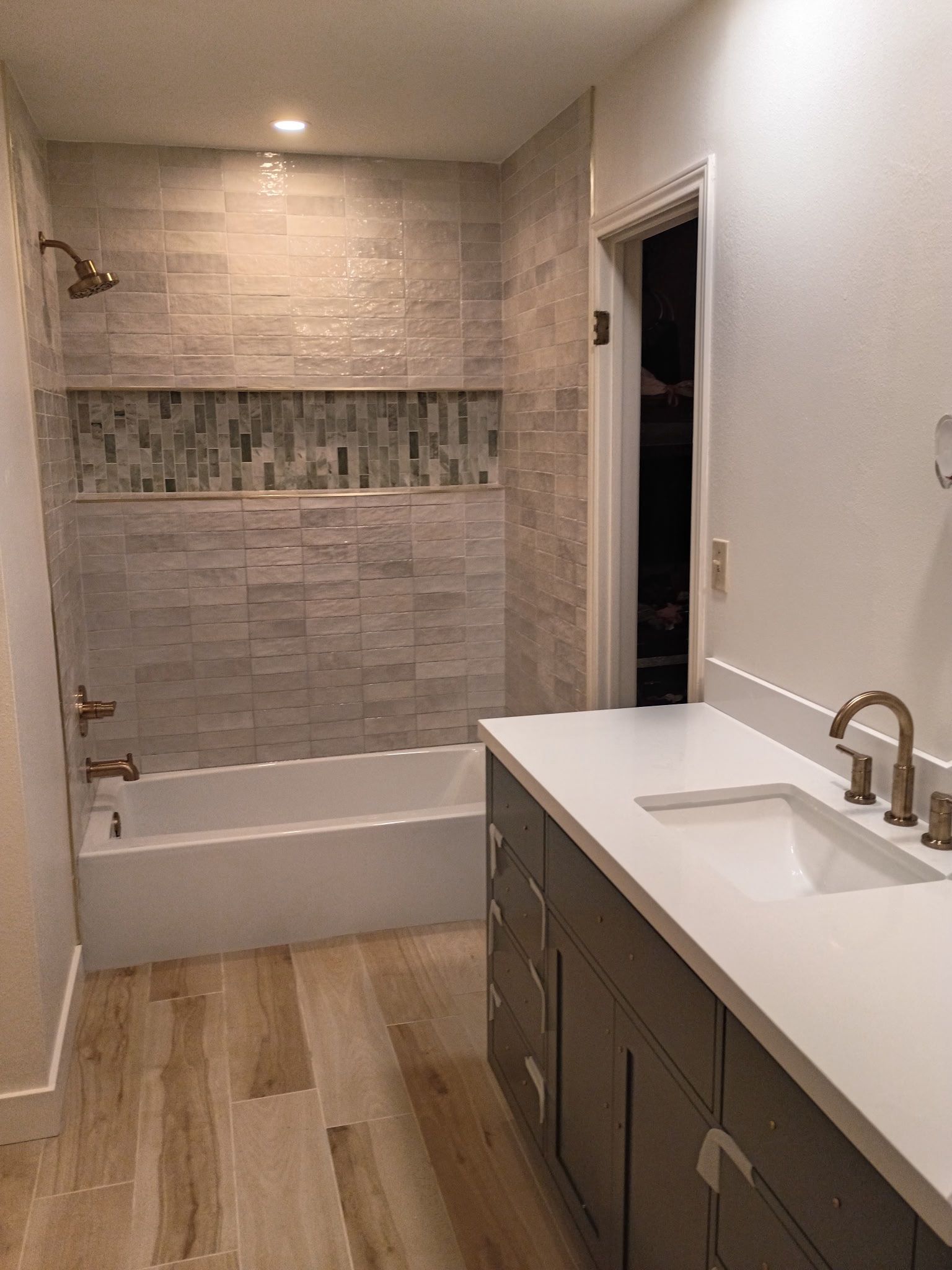
What Changes After Multi-Trade Work Completes
Remodel projects in South Texas homes often involve opening walls to reroute plumbing or update electrical systems, which generates dust and debris that settles into grout lines and scratches tile surfaces if flooring is installed prematurely. Proper sequencing means your tile and wood floors are set after HVAC ductwork is modified, after light fixtures are installed, and after baseboards are cut and fitted—eliminating the surface damage that occurs when trades work above finished flooring.
Once your remodel is completed, you'll notice tile surfaces free of grout haze ground in by foot traffic from other contractors, flooring without scratches from dropped tools or dragged ladders, and finish seams that weren't disturbed by workers returning to access walls or ceilings after installation. The sequencing decisions made during planning become visible in what remains intact rather than what requires repair after the fact.
Jesse's Custom Tile And Remodeling coordinates all trades working on full-scope residential remodels, ensuring electricians, plumbers, and carpenters complete their installations before tile crews begin surface work. The approach prevents the common scenario where finished floors must be protected with temporary coverings that shift underfoot or fail to prevent damage entirely, treating sequencing as craftsmanship rather than an afterthought.
Answers to Frequent Remodeling Questions
Homeowners planning whole-home remodels across the Crossroads region typically ask about project coordination and the sequencing that determines whether finished surfaces remain pristine or require post-project corrections.
What scope of work does a full-home remodel include beyond tile and flooring?
Residential remodels typically involve structural modifications, electrical and plumbing updates, drywall and paint finishes, trim carpentry, and fixture installations, with tile and flooring scheduled as the final surface layer once all overhead and wall work is completed.
How does trade sequencing affect the finished quality of tile installations in Victoria remodels?
Sequencing determines whether tile is set in a clean, dust-free environment after other trades leave the site, or whether it's installed prematurely and subjected to foot traffic, tool impacts, and debris from subsequent work that damages grout and surface finishes.
When should tile and flooring installation happen during a whole-home remodel?
Tile and flooring should be installed after drywall finishing, painting, electrical and plumbing rough-in inspections, HVAC modifications, and trim carpentry are completed, ensuring no trades need to return and work above finished floor surfaces.
Why do some remodel contractors install flooring earlier in the construction sequence?
Early flooring installation often reflects scheduling convenience rather than surface protection strategy, allowing trades to work simultaneously but exposing finished tile and wood floors to damage that could be avoided through disciplined sequencing.
What happens if subfloor issues are discovered during demolition in older Victoria homes?
Subfloor corrections, including leveling compound application or plywood replacement, happen after the existing flooring is removed and before new tile or wood flooring is installed, with additional time added to the project schedule to allow proper curing and structural corrections.
Jesse's Custom Tile And Remodeling builds
full-scope remodeling projects with the sequencing discipline that protects your tile and flooring investment from avoidable damage. Schedule a detailed estimate review to discuss your remodeling plans and confirm the trade coordination process for your project.